Red Hat OpenShift 4.15/4.16 & Satellite 6.14/6.15: New Features
01 Aug 2024
Red Hat OpenShift Container Platform provides application developers and IT organizations with a hybrid cloud application platform to deploy both new and existing applications on secure, scalable resources as seamlessly as possible. OpenShift Container Platform supports a wide range of programming languages, including Java, JavaScript, Python, and Ruby.
Another essential service offered by Red Hat is Red Hat Satellite, which is used to manage and organize large-scale Red Hat Enterprise Linux (RHEL) deployments.
In this blog post, we will explore the new features and improvements introduced in Red Hat OpenShift 4.15, 4.16, and Satellite 6.14, 6.15.
New Features in Red Hat OpenShift 4.15 and 4.16
Red Hat OpenShift Container Platform 4.16 is now supported on Red Hat Enterprise Linux (RHEL) 8.8-8.10 and Red Hat Enterprise Linux CoreOS (RHCOS) 9.4. Additionally, Red Hat has introduced a 12-month Extended Update Support (EUS) extension, referred to as Extended EUS Period 2, extending the current lifecycle from 24 months to 36 months. This extension is available across all architectural variants of the OpenShift Container Platform.
Starting with version 4.16, Red Hat has introduced three new lifecycle classifications to simplify the management and administration of cluster operators delivered by Red Hat. These classifications are :
- Platform Compatible
- Independent Platform
- Rolling Stream
These lifecycle classifications provide cluster administrators with added transparency and ease in understanding the lifecycle policies of each operator, allowing them to plan cluster maintenance and upgrades with predictable support boundaries.
Enhanced Developer Experience and AI/ML Integration
Red Hat OpenShift 4.15 and 4.16 include several features aimed at enhancing the developer experience. New CI/CD tools have been introduced, enabling developers to build, test, and deploy applications more efficiently and rapidly.
Moreover, these new releases focus on integrating AI and ML capabilities into the OpenShift platform. With built-in support for AI/ML frameworks and tools, data scientists and developers can leverage the power of Kubernetes to build and deploy intelligent applications. This includes optimized support for GPU workloads, facilitating the execution of resource-intensive AI/ML models.
AI/ML Advancements in OpenShift 4.16
The new updates bring various enhancements and conveniences for machine learning workloads. Key AI/ML features include :
- Kubeflow Integration : Simplifies the orchestration of machine learning workflows, enabling data scientists to automate and streamline complex AI/ML pipelines.
- NVIDIA GPU Operator Support : Allows efficient management of GPU resources, ensuring high-performance machine learning workloads.
- OpenShift Data Science : Enhanced support for Jupyter Notebook, TensorFlow, PyTorch, and other popular AI/ML frameworks, providing seamless integration and advanced resource optimization.
These enhancements enable dynamic scaling based on AI/ML workload demands, creating a robust and efficient environment for developing and deploying complex machine learning models.
Security Enhancements in Red Hat OpenShift 4.15 and 4.16
Security remains a top priority for Red Hat, and the latest updates in OpenShift 4.15 and 4.16 introduce significant security features to ensure data protection and regulatory compliance.
- Enhanced Role-Based Access Control (RBAC)
- More granular access controls to define user permissions and limit access based on roles and responsibilities.
- Advanced Encryption Options
- Enhanced encryption capabilities to safeguard sensitive data and communications across clusters.
- Integration with Red Hat Advanced Cluster Security
- Comprehensive security management across Kubernetes environments, providing real-time visibility and threat detection.
These updates help organizations maintain application security and data integrity while adhering to industry security standards.
Multi-Cluster Management Enhancements
Managing multiple Kubernetes clusters has become more efficient in OpenShift 4.15 and 4.16. The latest updates provide advanced multi-cluster management features, allowing administrators to oversee multiple clusters from a unified interface.
- Enhanced Multi-Cluster Management: Enables administrators to manage multiple clusters seamlessly, reducing complexity and operational overhead.
- Hybrid and Multi-Cloud Support: Improved support for hybrid and multi-cloud deployments, allowing unified management and monitoring of clusters across different cloud environments.
Centralized Management Console: Simplifies operations, provides better visibility, and ensures consistent policy enforcement across all clusters.
Optimized Performance and Scalability
The new releases focus on optimizing performance and scalability to handle even the most demanding workloads.
- Improved Network and Storage Capabilities: Enhanced network throughput and storage management for faster, more reliable performance.
- Edge Computing Support: Expanded edge computing capabilities allow for better deployment and management of edge network applications.
- Scalability Enhancements: Performance improvements ensure that OpenShift 4.15 and 4.16 can efficiently handle resource-intensive workloads, providing a more robust infrastructure for AI/ML and data-intensive applications.
These optimizations provide a more reliable and responsive platform, facilitating the deployment of complex applications across hybrid and multi-cloud environments.
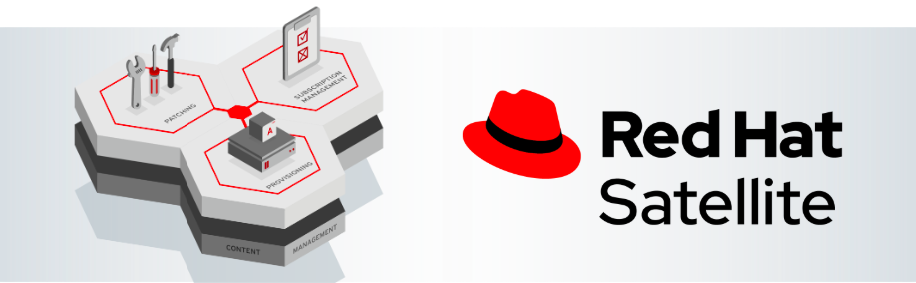
Must-Explore Features in Red Hat Satellite 6.14 & 6.15
Red Hat Satellite 6.14 and 6.15 are the latest versions of the comprehensive infrastructure management solution designed to manage Red Hat Enterprise Linux (RHEL) environments. These updates bring several performance enhancements, security updates, and new features that streamline operations and improve user experience.
Key Features and Enhancements in Satellite 6.14 & 6.15
- Advanced Ansible Integration
- With the enhanced Ansible integration, users can now automate complex tasks more efficiently, reducing manual intervention and minimizing human error.
- Enhanced Security Features
- Security remains a top priority, and these updates include robust vulnerability management capabilities, ensuring infrastructure protection against emerging threats.
- Integration with Red Hat Insights enables proactive identification and remediation of potential issues, keeping systems secure and compliant.
- Scalability and Performance Improvements
- Satellite 6.14 and 6.15 include significant scalability and performance optimizations to handle increasing workloads more effectively.
- Enhanced support for hybrid and multi-cloud environments provides the flexibility to meet growing demands with ease.
- User Experience and Interface Enhancements
- The user interface has been redesigned for a more intuitive and seamless experience, making it easier to navigate and manage resources.
- A refined control panel and enhanced reporting capabilities provide better visibility and control over the infrastructure.
Red Hat OpenShift 4.15, 4.16 & Satellite 6.14, 6.15: A Unified Approach
The recent updates in OpenShift 4.15, 4.16, and Satellite 6.14, 6.15 focus on automating processes, enhancing security, scaling efficiently, and improving the overall user experience.
- Automation: Advanced Ansible integration reduces manual tasks and streamlines complex operations.
- Security: Enhanced encryption, role-based access control, and Red Hat Insights integration reinforce infrastructure security.
- Scalability: Optimized performance and multi-cloud support ensure seamless scalability in complex environments.
- User Experience: Redesigned interfaces and centralized management consoles improve overall usability and visibility.
These updates reaffirm Red Hat’s commitment to providing robust, cutting-edge solutions that address evolving enterprise needs. Whether managing large-scale infrastructure or developing next-generation applications, these releases provide the essential tools and capabilities to drive operational success.
For more information about how these solutions can optimize your infrastructure and application development, reach out to our expert team.